Today we’re diving into a topic that’s been on everyone’s mind this year: tariffs and logistics challenges that directly affect the coffee trade. To help us understand what’s happening and how it impacts the industry, we spoke with Angie Álvarez, Sustainable Harvest’s Logistics Supervisor.
________________________________________________
Sustainable Harvest (SH): Angie, in the coffee world, we didn’t previously deal directly with tariffs. Could you start by explaining what a tariff is, who applies it, and who ends up paying it?
Angie: Sure! Tariffs are specific taxes applied to goods and services imported into a country. They’re usually calculated as a percentage of the product’s value, and that percentage can vary depending on the type of product and whether it’s produced domestically.
However, 2025 brought unprecedented volatility to the US coffee import landscape. The past year was marked by constant adjustments, unexpected political decisions, and significant impacts on roasters, importers, and producers worldwide.
At the start of the year, the US government implemented a 10% tariff on coffee imports from nearly all origins, with only Mexico and Canada exempt. This became the baseline on top of which additional changes would be calculated.
This was a major shift from previous years, when coffee tariffs hovered around 0.125%–0.3464%. Many roasters immediately noticed a significant increase in their landed costs.
Soon after, the government introduced a second tier: reciprocal tariffs. These applied to countries that imposed high tariffs on US exports. As a countermeasure, the US imposed additional tariffs, sometimes calculated through a specific formula, on imports from those countries. Affected origins included: China, Indonesia, Vietnam, India, Nicaragua and Brazil.
These tariffs changed throughout the year, increasing or decreasing depending on diplomatic negotiations. At certain points, coffee from some countries faced rates as high as 40% or even 50%.
This explains why roasters saw large price fluctuations over the course of the year.
By mid-2025, signals began to emerge that the US government was exploring ways to reduce tariffs. There was talk of bilateral agreements and adjustments to existing trade programs.
In September, the government announced the US Aligned Partners Program, a mechanism that allowed partner countries to negotiate reduced tariffs, potentially even bringing rates down to zero.
Although negotiations were just beginning, this signaled a shift toward easing the tariff burden.
The defining moment came on November 14, when a new executive order eliminated tariffs on coffee imports from every country except Brazil, which remained at 40%. Only a few days later, however, Brazil was also included, bringing the tariff for all coffee origins to 0%.
This marked the end of a year full of volatility with the lowest possible tariff rate.
A key point that roasters should be aware of, though, is that coffee that entered the US before November 14 keeps the tariff originally applied, and coffee that entered the US on or after November 14, or whose customs entry was eligible for correction after that date, must apply 0%.
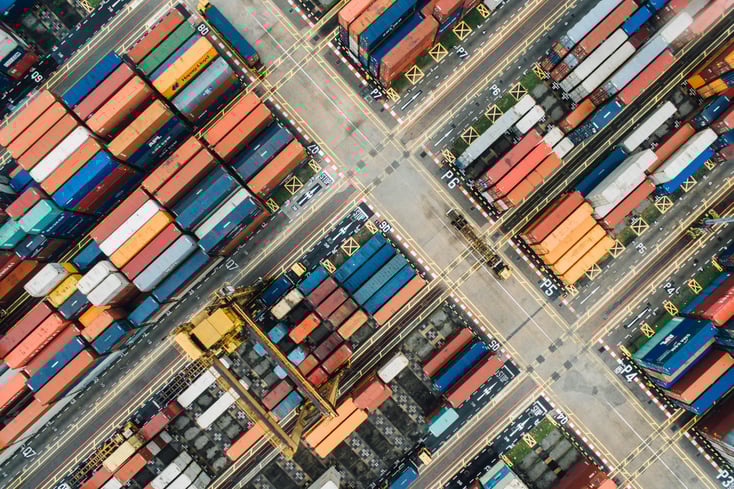
SH: Changing subjects a bit, but still within logistics, we’ve also heard a lot about container shortages. What’s happening there, and how does it affect coffee shipments?
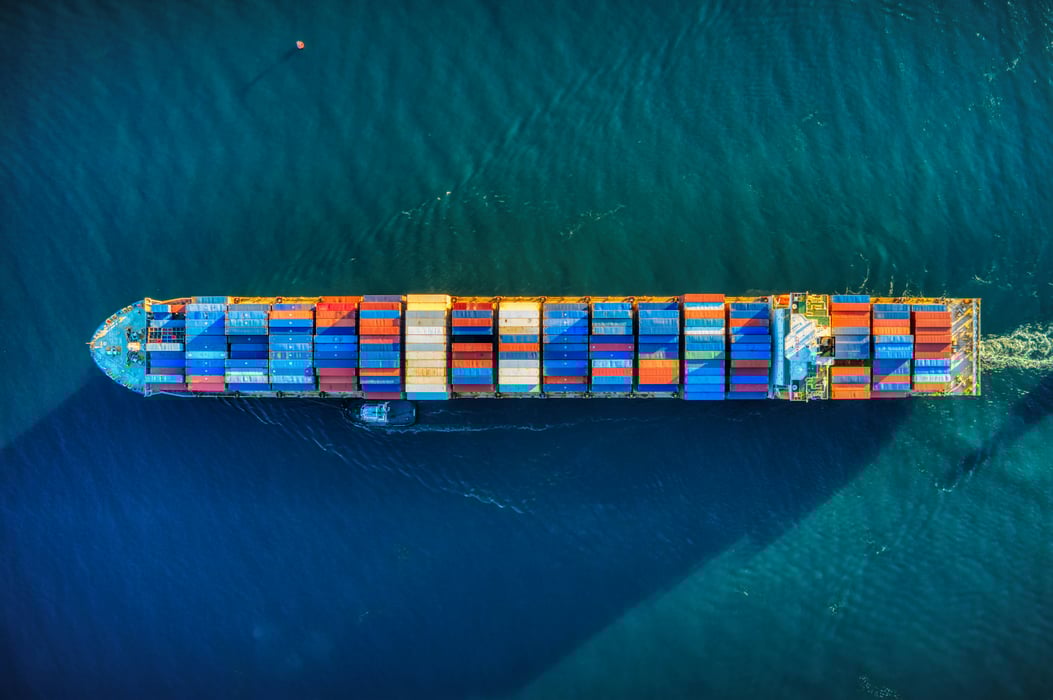
Angie: This issue started during the pandemic. At that time, many containers were stranded at ports in Europe without the ability to return to Asia, especially China. That created a massive shortage and caused freight rates to skyrocket, up to seven times higher than pre-pandemic levels.
Although things have stabilized somewhat, schedule reliability hasn’t fully recovered. Currently, only about 50–60% of vessels are departing on schedule.
Port congestion remains a problem, too. Ships often wait days to unload, which delays the return of empty containers and exacerbates the shortage. All of this leads to rollovers (rebooked departures), skipped ports, and a growing imbalance between shipping capacity and demand.
SH: No wonder people get frustrated! What best practices would you recommend for managing relationships with shipping lines?
Angie: Communication is key. It has to be open, transparent, and based on trust. Companies can work directly with carriers or through freight forwarders. When working directly, the shipper holds the service contract; when using a forwarder, they manage that contract and the carrier relationship.
In both cases, early planning and visibility are essential. Providing accurate forecasts and setting realistic expectations about sail dates helps avoid unnecessary delays. I always say: “When everything is urgent, nothing is truly urgent.” Setting clear priorities allows everyone to focus on what really matters.
SH: From your perspective, what are the most common logistical mistakes you’ve seen in coffee, and how can they be avoided?
Angie: I’d say there are six main ones:
- Lack of planning to meet cut-off dates: for cooperatives and groups at origin, the deadlines for submitting documents or delivering containers is key. Missing them leads to delays and extra costs.
- Not requesting container allocations early enough: they should be requested at least ten days before the vessel’s departure.
- Issuing bills of lading without prior approval: this can cause costly corrections and release delays.
- Poor communication about operational bottlenecks: if issues aren’t reported in time, it’s hard to take corrective action.
- Not issuing Bill of Lading (B/Ls) as telex releases: this forces the use of physical documents, which adds time and courier expenses.
- Delays in sample approvals: these can hold up entire shipments if not managed on time.
SH: What would you recommend to help our coffee partners professionalize their logistics operations?
Angie: Investing in training is fundamental! Whether through workshops, courses, or continuous education programs in logistics and foreign trade. It’s also important to implement SOPs (standard operating procedures), establish measurable KPIs, and stay updated on global logistics developments.
Technology plays a big role, too. Using ERP systems or similar platforms informs data-driven decisions.
SH: You’ve worked in logistics for many years. What trends do you see that could impact coffee exporters and producers in the coming years?
Angie: There are several positive trends. We’re seeing a gradual normalization of freight rates and improvements in service reliability.
We’re also seeing advances in digitalization and traceability, with geolocation technologies improving shipment visibility and reporting, and a growing focus on sustainability, using cleaner fuels, electric transport, and tracking carbon emissions.
On the other hand, short-term challenges remain: container shortages, port congestion, and imbalances between supply and demand will likely continue through 2025, keeping logistics conditions unpredictable and changeable.
SH: Finally, what message would you share with coffee roasters, who are often at the end of this supply chain waiting for their shipments?
Angie: I’d tell them that we completely understand their concerns and timing needs. At the same time, there are factors beyond our control, such as port congestion, container shortages, and booking rollovers that can cause delays. We’re constantly monitoring the situation and looking for solutions: alternative routes or ports, switching carriers, or working with freight forwarders to increase leverage and flexibility.
Also, delays on the origin side – such as coffee collection, weather conditions or delays in obtaining certifications – are also beyond our control and affect delivery times, but we will always try to find a solution that better serves roasters.
Ultimately, the key is planning ahead and maintaining open communication. We all share the same goal: ensuring the coffee arrives on time and in perfect condition.

.png "SH Logo")