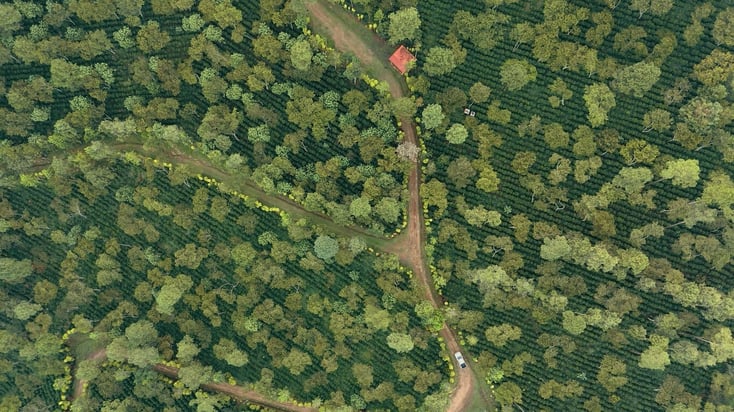
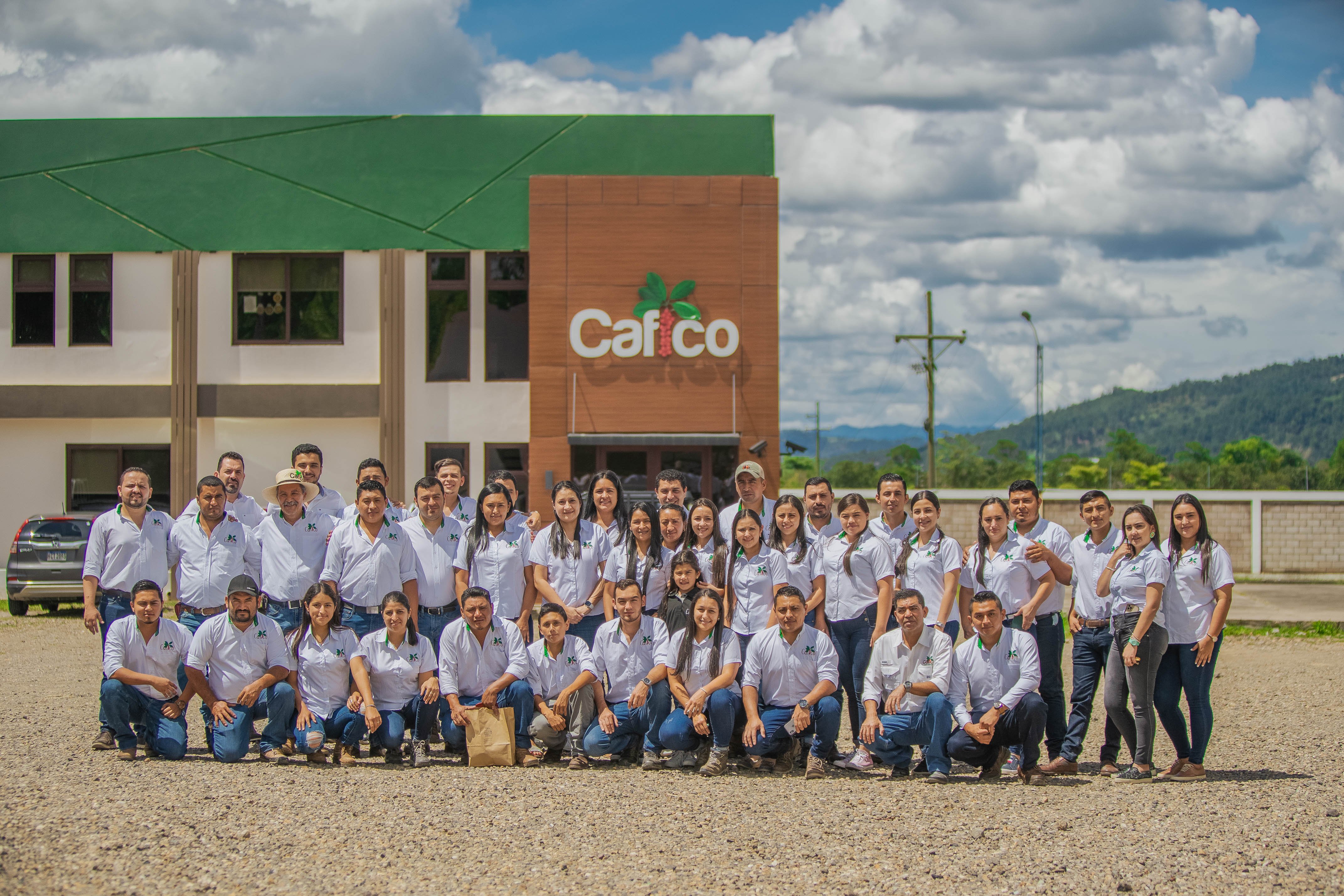
For more than ten years, Cafés Finos de Corquín (CAFICO) has been working in Western Honduras to build something truly special: a coffee model that puts organic production, agroforestry, and community development at its core. What started back in 2009 with just a handful of producers who wanted change the conversation around quality and transparency has now grown into a community of over 546 members managing more than 4,000 hectares of coffee in total.
In this Q&A, we talk with Elder Romero, CAFICO’s Export and Sales Manager, about how their team has developed their agroforestry systems, why regenerative organic practices are now at the heart of what they do, and how building long-term partnerships is making a difference for both producers and their communities.
________________________________________________
Sustainable Harvest (SH): First, can you tell us about your role at CAFICO and your background in coffee?
Elder Romero (ER): I currently lead exports and sales, supporting the organization in everything related to customer relationships, market access, and communicating the work we do with producers. I’ve been with CAFICO for five years, though coffee has been part of my life for much longer.
I’m an agronomist and also completed a master’s in business administration, and now I specialize in coffee. My family has been producing coffee for four generations, so I grew up immersed in this world. Today, I’m proud to contribute to strengthening the value chain.
SH: We have heard some great things about CAFICO from Chabe, our Relationship Coffee Manager in Central America! Can you share the story of how CAFICO began and about the agroforestry and reforestation work you have been doing since its beginning?
ER: CAFICO was founded in 2009 with the goal of transforming a traditional buying-and-selling model into a sustainable one. From the beginning, the organization was built around three pillars: social responsibility, environmental stewardship, and productive sustainability.
We started with just 25 producers. Today, we work with 546 members, many of whom are children of founding members. That generational continuity has created a strong sense of commitment to the organization’s growth.
From the beginning, we wanted to promote agricultural practices that were environmentally responsible. At that time, there was a misconception that organic agriculture meant abandoning farms and doing nothing. We worked hard to change that mindset through training, exchange visits, and demonstration plots.
Over time, we adopted agroforestry systems tailored to different altitudes and growing zones. Certification programs also played a key role, pushing us toward continuous improvement. By the time Regenerative Organic Certification emerged, we already had many systems in place.
Today, many of our farms maintain around 70% shade coverage with 25–30% light penetration, creating ideal growing conditions while protecting biodiversity and coffee productivity.
SH: How did your approach to processing and waste management evolve?
ER: When CAFICO started, wet mills were located on individual farms, and wastewater and coffee pulp often flowed directly into rivers. As populations grew and water flow decreased, contamination became more visible.
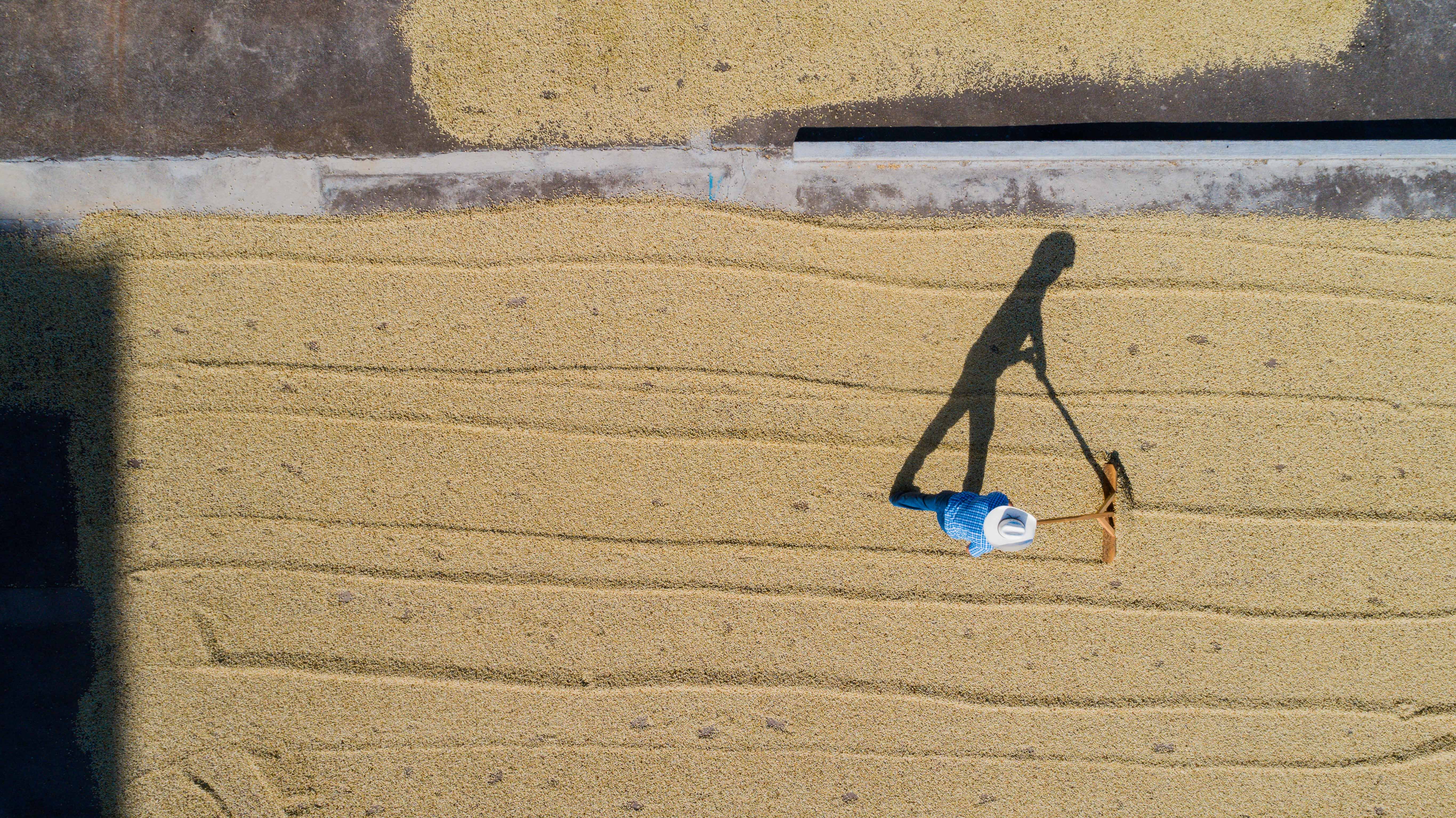
We centralized wet milling and began transforming pulp and wastewater into organic compost. This allowed us to solve two problems: reducing pollution and creating organic inputs that return nutrients to the farms. Today, we operate under a circular agriculture model.
SH: What environmental changes have you seen across your farms?
ER: Our members manage more than 4,000 hectares, and we’ve seen the creation of new microclimates that help stabilize production. These practices reduce biennial yield fluctuations and support more consistent income for farmers.
We’ve also focused on reforestation using native species, particularly nitrogen-fixing trees like Inga, along with some fruit trees. We intentionally avoid introducing non-native species to protect the ecosystem.
SH: How does this work connect to climate resilience?
ER: We’ve seen healthier plantations that maintain productivity while reducing environmental impact. We’ve also partnered with organizations to protect nearby forest reserves that help regulate our local climate.
Because of the work we had already done, new regulations like the EU Deforestation Regulation (EUDR) were not a challenge for us; we saw it as an opportunity.
SH: How do your members adapt to these practices?
ER: Our technical team is key. We have around 13-14 technicians who each work closely with around 50 producers. They provide regular farm visits, follow-up support, and field days where farmers share knowledge.
Over time, these practices have become part of the culture. Producers now actively ask for visits and training, which shows how deeply the approach has been adopted.
SH: What role do long-term partnerships play in CAFICO's work?
ER: Our goal is to sell all coffee under certified programs like Organic, Regenerative Organic (ROC), and Fairtrade, because these allow us to pay better prices to producers.
We see roasters as strategic allies. Long-term relationships create commitment and trust, allowing both producers and buyers to navigate challenges together. Coffee is a changing industry, and these partnerships help both sides grow.
SH: What has working with Sustainable Harvest meant for CAFICO?
ER: Regenerative agriculture helped open the door to our partnership. This is now our third harvest working together. We started small and have grown each year significantly.
Visiting roasters, participating in events like Let’s Talk Coffee last year in Lima, and sharing our work has strengthened the relationship. We’re grateful for the opportunity to grow together and bring our story to more buyers.
SH: CAFICO also runs social programs. Can you share more?
ER: Health and education are our main priorities. We helped restore a public clinic that serves about 92,000 families by improving water systems, electricity, medical equipment, and emergency services.
We also support two local schools by donating computers and helping renovate facilities, improving learning conditions for hundreds of children. These programs serve the entire community, not just our members.
SH: Looking ahead, what is CAFICO's vision for the future?
ER: Our main goal is to continue strengthening our certification programs and staying ahead of new market requirements year after year. We want to remain leaders in regenerative and organic coffee production while continuing to build a company our partners can trust, where what we promise is what we deliver.
We will keep developing our sustainability model around our three core pillars (social responsibility, environmental stewardship, and productivity.) Strengthening this program is a long-term commitment, and strategic partnerships will continue to play an important role in helping us grow and move faster.
One of our next major goals is to become carbon neutral. We are developing a program where our farms will offset the emissions generated by our operations, and ideally even create a surplus that we can bring to the market. This is part of our broader commitment to innovation and environmental leadership.
Ultimately, we want to continue growing as a reliable, forward-thinking organization that creates real impact for producers, communities, and partners across the coffee value chain.
__________________________________________
If you're interested in purchasing coffee from CAFICO or learning more about their Regenerative Organic practices, don't hesitate to reach out! Send us an email at - trade@sustainableharvest.com

.png "SH Logo")