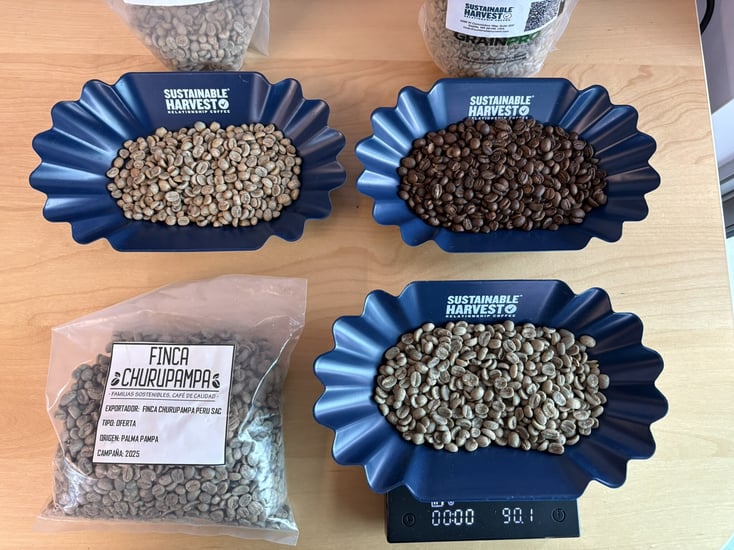
For many roasters, approving a Pre-Shipment Sample (PSS) feels like the final step before coffee arrives. The sample tastes great, the contract is set, and you may think the coffee will soon be on its way. But in reality, that approval is just the beginning of a complex process.
Once a PSS is approved, the coffee still has to move through several stages: export logistics, container bookings, ocean transit, port handling, customs clearance, warehousing, and finally, the arrival sample approval before it can be released.
Each step involves multiple partners – exporters, shipping lines, customs brokers, truck drivers, and warehouses – all working together to move coffee safely across continents.
In this first article of a new logistics series, we break down what actually happens after a PSS is approved – and why it can take several weeks (or even months) for your coffee to arrive!
________________________________________________
What Happens After a PSS Is Approved?
1. Approval Is Shared with the Supplier and Producer
Once you approve the Pre-Shipment Sample (PSS), the first step is communication.
We share the approval with the supplier and, whenever possible, with the producer as well. Sensory feedback, including cup score, tasting notes, and any quality observations, is extremely valuable at this stage.
For producers, this feedback provides insight into how their coffee is being experienced by roasters and helps inform future harvest and processing decisions.
Meanwhile, at the same time that this feedback loop is in play, our logistics team begins preparing the next step: shipping instructions.
2. Shipping Instructions Are Issued
Shipping instructions provide the exporter with all the technical details needed to prepare the shipment. These instructions include:
- The type of container required
- Food-grade container preparation
- Protective liners required (such as kraft lining or GrainPro to protect against moisture)
- Which shipping line should be used
- Destination details and documentation requirements.
Ideally, these instructions are issued the same day the PSS is approved.
Sometimes shipping instructions are sent before PSS approval to expedite the booking process (particularly if the approval is taking more time than expected), but ideally, the shipping instructions are issued the same day as the PSS approval.
Once all these details are confirmed, the exporter begins the process of booking a container with the shipping line.
3. Securing a Container Booking
Securing a container booking is often where timelines become challenging. Booking confirmations and actual ETDs/sailing dates depend on factors such as container availability, shipping routes, vessel schedules, and port congestion. As a result, this process is not controlled by any one party and is determined by the shipping line based on current space availability.
Exporters must secure a booking confirmation with a shipping line, essentially reserving space on a vessel leaving the port. Depending on the logistics market, container availability, and shipping demand, this can take anywhere from a few days to several weeks.
Once the booking is confirmed, the shipment receives a sailing date, which is the date when the vessel is scheduled to depart.
This is the moment when the coffee officially begins its journey!
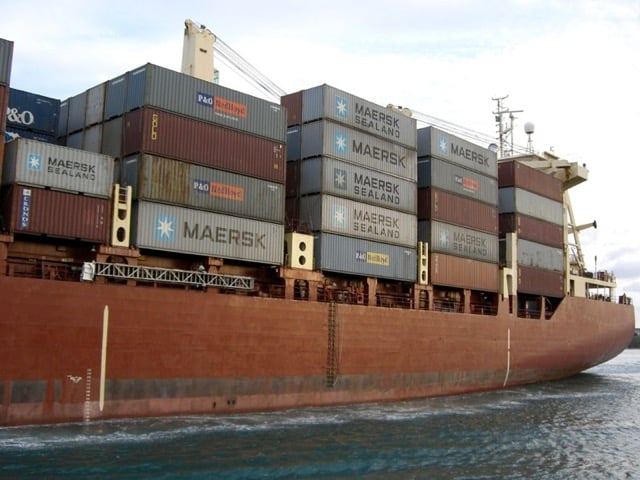
4. Ocean Transit
After departure, the container travels by sea to the destination country. Standard transit times vary depending on origin and destination. For example:
- Central & South America → U.S.: roughly 6–8 weeks
- Africa → U.S.: roughly 10–12 weeks
On top of this, many factors can increase ‘real-time’ transit estimates, such as port disruptions, congestion, vessel omissions, rerouting, and geopolitical events. Given these complexities, it’s important to allow sufficient time to properly plan and execute shipments. We typically recommend that roasters approve their PSS at least two months before the coffee is needed. This helps ensure there is adequate time to complete all necessary arrangements for a smooth execution.
5. Arrival at Port
When the vessel arrives, the container is unloaded and placed in a container yard at the port. This does not mean the coffee is ready, though!
Once containers arrive, they’re stacked in large storage yards, and it can sometimes take a while before they’re ready for pickup. Timing depends on the trucking company’s schedule, available terminal appointments, and, most importantly, making sure all customs and regulatory requirements are cleared. Sometimes, random inspections or holds from customs, regulatory authorities (the FDA for US imports, AQIS for Australian imports, and others) or the shipping line can mean a container stays in the yard for several days or even weeks before it’s released.
Our team works hard to make sure every detail is in place and all paperwork is accurate, so we can avoid unnecessary holds and keep things moving smoothly. While some inspections are randomly imposed by customs, we do everything we can to prevent delays – carefully monitoring each shipment, using our CTPAT certification, and making sure documents and coffee are in order from the very start. And, of course, we work to communicate these back to the people waiting for the coffee!
At this stage, a customs broker and drayage carrier arrange transportation from the port to the destination warehouse.
6. Drayage: Moving the Container to the Warehouse
Drayage is a term typically used to denote the short-distance transport of goods. In this case, a truck driver collects the container from the port and transports it to the warehouse where the coffee will be stored.
Even when the warehouse is relatively close to the port, scheduling a drayage pickup can take time due to port congestion, container availability, and appointment scheduling. Local holidays, labor strikes, and local transit works can also impact timing.
Once the container arrives at the warehouse, another important process begins.
7. Unloading the Coffee (Bag by Bag)
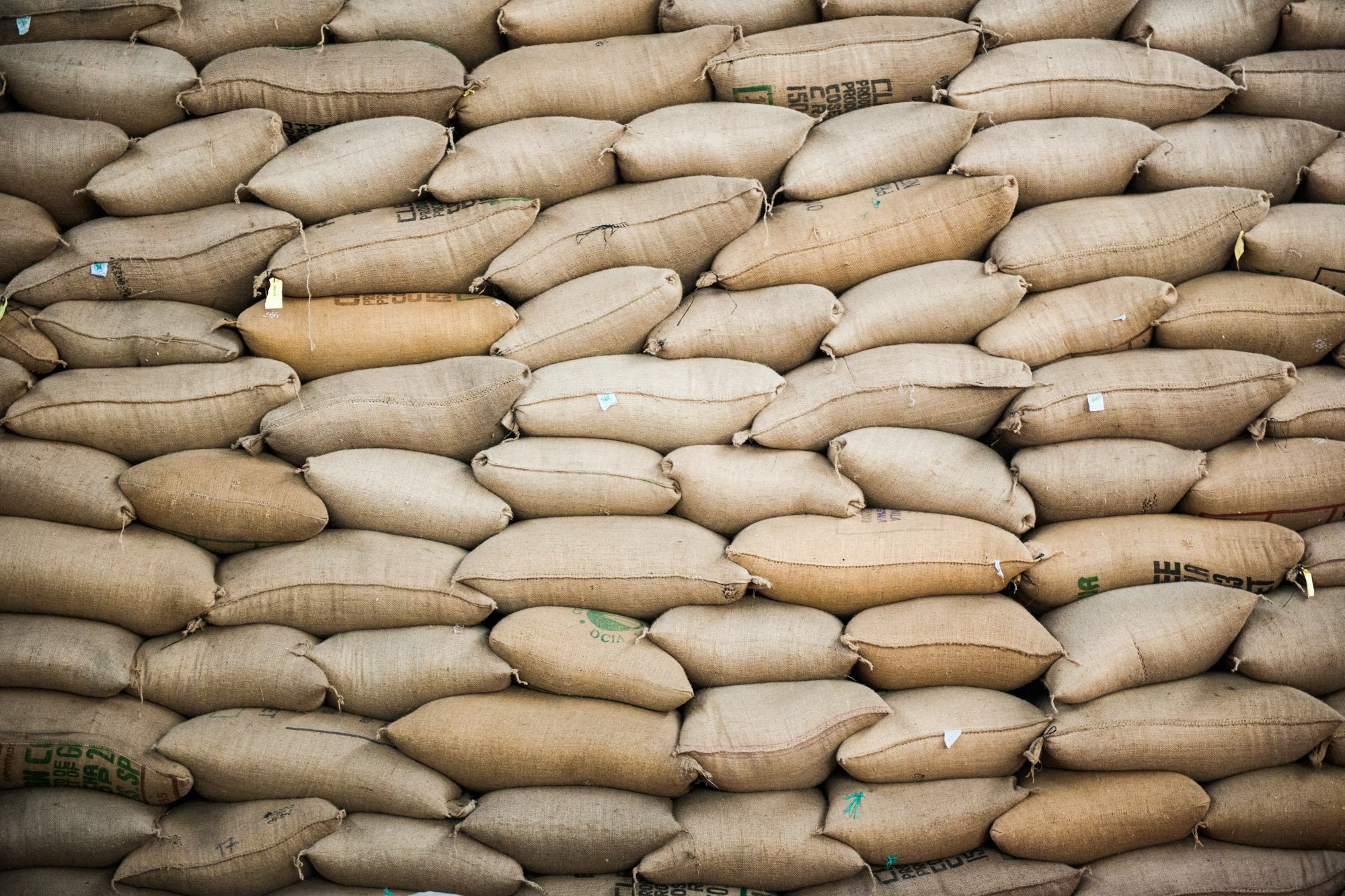
Unlike many bulk commodities (such as coal, iron ore, grain, cement, grains not in bags), green coffee is typically unloaded manually. Warehouse teams open the container and unload the coffee bag by bag, often forming a chain of workers moving bags from the container into storage. A single container can hold hundreds of bags, making this a labor-intensive process.
During unloading, warehouse staff verifies:
- ICO marks on every bag
- Total bag count
- Container seal numbers
- Condition of the coffee
They also document any issues, such as:
- Water marks
- Torn bags
- Spillage
- Damage during transit
Photos and detailed reports are generated as part of the receiving process.
8. Receiving Reports and Inventory
After unloading, the warehouse sends an unloading or receiving report to us, the importer! This report confirms:
- Bag count
- Container details
- Condition upon arrival
- Storage location in the warehouse
At this point, the coffee officially moves from “in transit” to inventory. And once the coffee is logged in the system, our next step is sending the arrival sample to you!
9. Arrival Samples
When the coffee is in the warehouse, we send you a landed sample (also called an arrival sample). This allows you, the roaster, to confirm that the coffee matches expectations after its journey.
In most cases, industry standards, such as the contract terms set by the Green Coffee Association (GCA), require that an arrival sample is approved before the coffee can be released from the warehouse.
In long-term relationship coffees, some roasters may choose “ASPAS” (Approved Sample/Approved Shipment) terms, meaning they waive the arrival sample and accept the coffee automatically. ASPAS terms can shave around 10 days off delivery in some scenarios.
10. Coffee Is Ready for Release
Once the arrival sample is approved, the coffee is ready to be released from the warehouse and shipped to you!
Only at this stage, sometimes months after the original PSS approval, does the coffee finally reach its destination.
.jpg?width=11467&height=7530&name=SH_Infographic%20(1).jpg)

Coffee logistics can be complex, but understanding the journey helps explain why timelines matter and why early planning is essential.
In upcoming articles in this series, we’ll discuss other logistics questions we’ve received over the years, including:
- What happens if a sample is rejected?
- How to understand ETAs
- Incoterms, and more!
If you have any other topics you’d like us to explore, send us an email at story@sustainableharvest.com!

.png "SH Logo")